
Air Conditioning
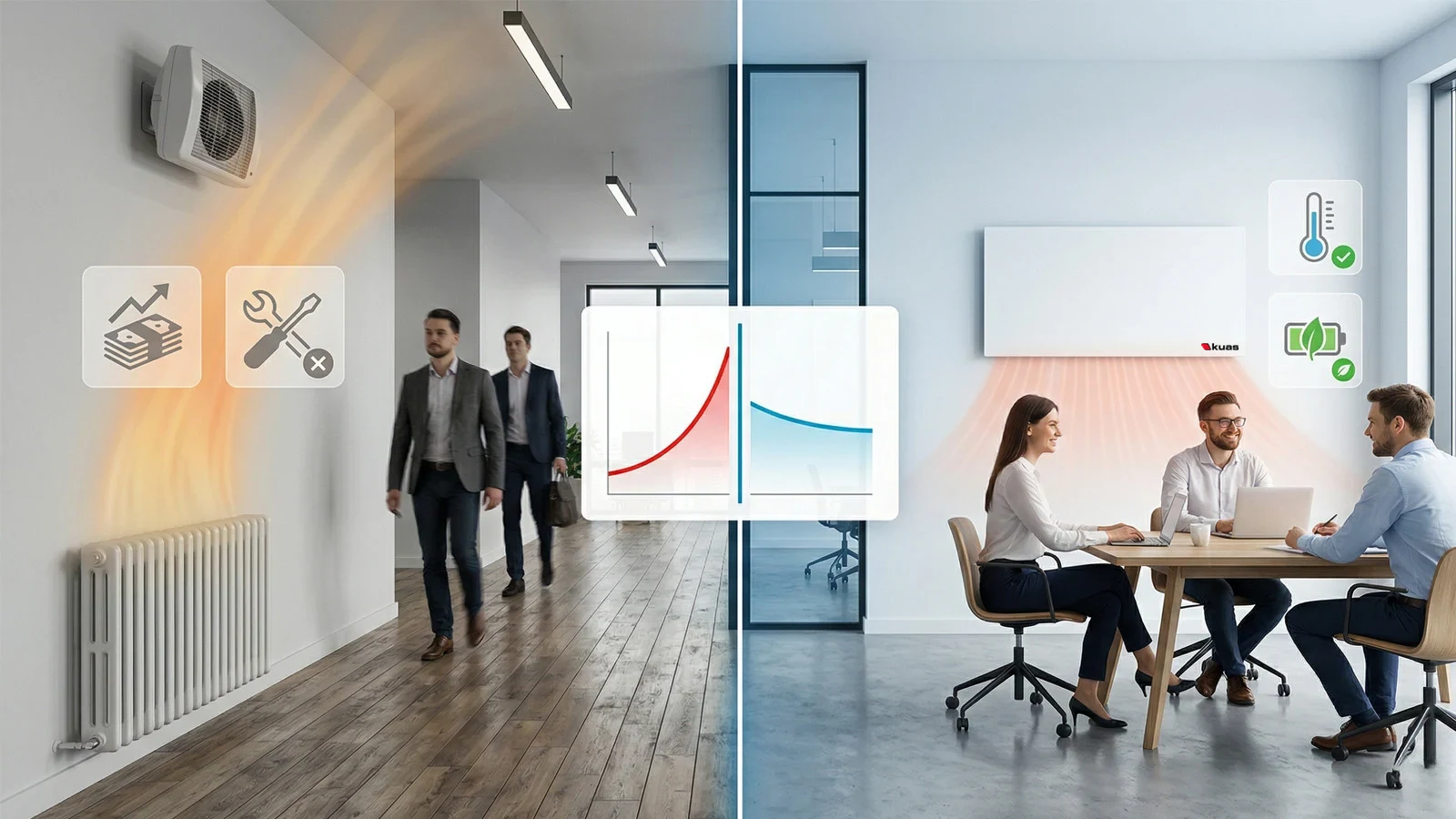
This generally refers to cooling indoor air to provide thermal comfort and remove humidity. More broadly, HVAC includes heating, cooling, ventilation and disinfection processes to improve the condition of the air. An air conditioning system is a device or mechanism that uses a cycle to remove heat from an environment, primarily for comfort in buildings and vehicles.
Air conditioning engineers generally divide applications into "comfort" and "process". Comfort applications aim to provide people with their preferred thermal comfort even when outdoor air or internal heat loads change.
Comfort Applications
People working seated in an office are expected to perform best at around 22,2 °C. Performance may decline by approximately 1% for every 0,61 °C change in room temperature. People working standing up may perform best at slightly lower temperatures.
Comfort air conditioning improves the usability of large buildings. Without air conditioning, buildings need to be planned differently for natural ventilation. It also plays a critical role in the efficient use of tall buildings.
- Low-rise residential buildings: single-storey family homes, duplexes and small apartment buildings.
- High-rise residential buildings: dormitories and tall apartment buildings.
- Commercial buildings: offices, shopping centres and restaurants.
- Institutional buildings: hospitals, government buildings and academic buildings.
- Industrial areas: production environments where employee comfort is a priority.
- Transport: vehicles, trains, ships, aircraft and spacecraft.
Process Applications
The aim in process applications is to create the environment required by the process, regardless of internal heat, humidity loads and external conditions. The determining factor is the technical requirement of the process rather than human comfort.
- Operating rooms: filtration and humidity control to reduce the risk of infection.
- Controlled rooms: spaces requiring high levels of cleanliness, such as integrated circuit and pharmaceutical production.
- Laboratory animal areas: special conditions in which breeding cycles are managed.
- Aircraft air conditioning: requires a special design because of low external pressure.
- Data processing centres, textile factories and physical testing centres.
- Plant-growing facilities, nuclear facilities, and chemistry and biology laboratories.
- Mines, industrial environments, cooking and processing areas.
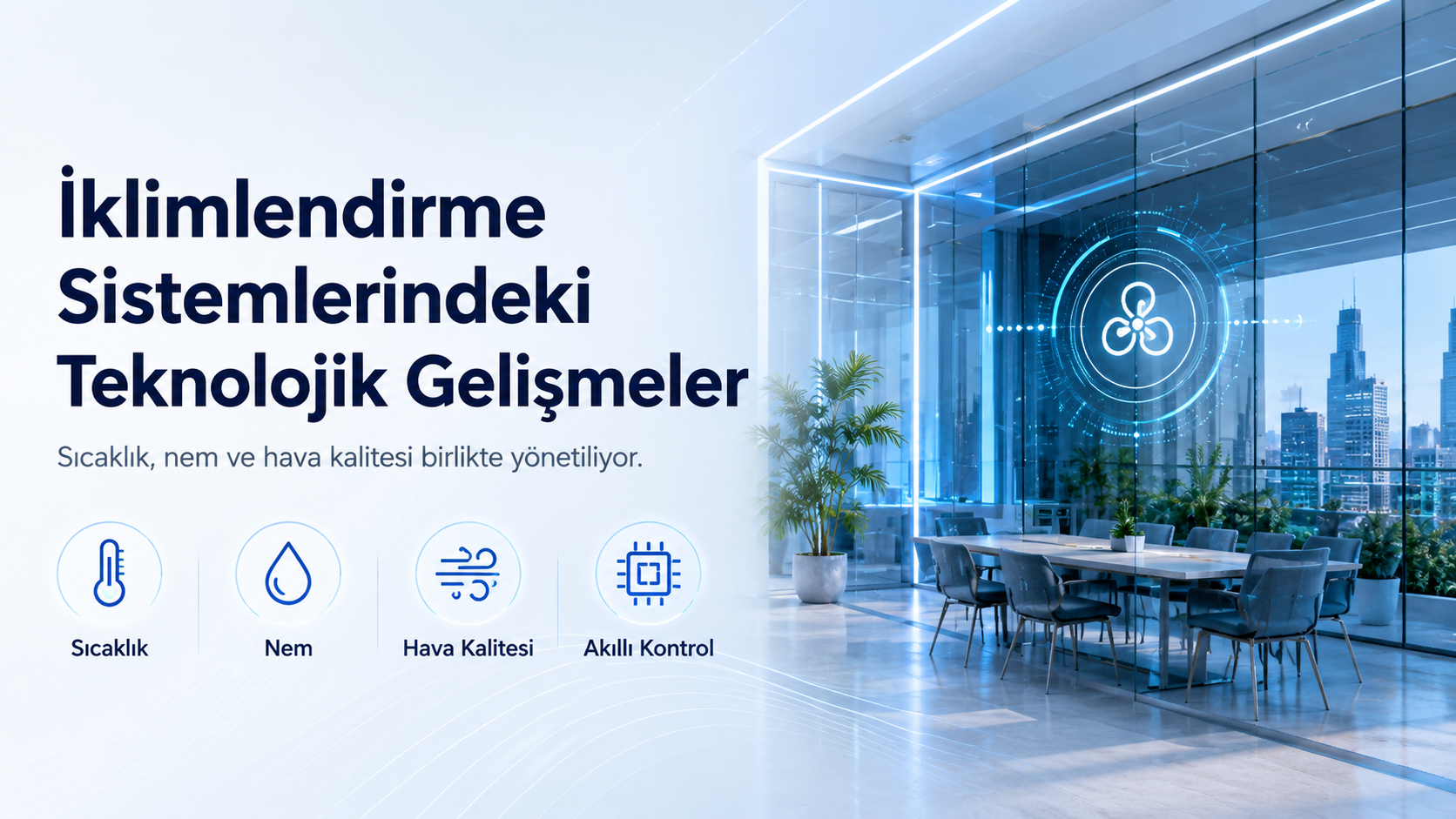
In both comfort and process applications, the aim is not only to control temperature but also to manage humidity and air quality sustainably.